When it comes to enhancing the aesthetics and functionality of your property, choosing the right fencing material is crucial. With a plethora of options available, understanding the various types of fences and their respective benefits can significantly impact your decision-making process. Each material offers unique characteristics that cater to different needs, whether it’s for security, privacy, or simply to define boundaries.Among the most popular fencing materials are wood, vinyl, chain link, wrought iron, and aluminum. Each type has its own set of advantages and disadvantages that can influence its longevity and maintenance requirements.
For instance, while wood fences are often celebrated for their natural beauty and versatility, they may require more upkeep compared to other materials. On the other hand, aluminum fences are gaining traction due to their lightweight nature and resistance to rust, making them an excellent choice for those seeking durability without compromising on style.Understanding the durability of these materials is essential for homeowners looking to make a long-term investment. Factors such as climate conditions, exposure to pests, and maintenance routines play a significant role in determining how long a fence will last. For example, vinyl fences can withstand harsh weather conditions and are resistant to fading and cracking, while wrought iron fences offer unparalleled strength but may require periodic painting to prevent rust.As we delve deeper into the world of fencing materials, we will explore the specific attributes of each type, focusing on their longevity and suitability for various applications.
This comprehensive understanding will empower you to make an informed choice that aligns with your property’s needs and your personal preferences.
Why Longevity Matters in Fencing
When selecting a fencing material, the importance of longevity cannot be overstated. A long-lasting fence not only enhances the aesthetic appeal of your property but also serves as a practical investment that can save you money in the long run. Here are several reasons why choosing a durable fencing option is crucial:- Cost-Effectiveness: While the initial cost of installing a fence may seem significant, opting for a material that lasts longer can lead to substantial savings over time. For instance, materials like aluminum and vinyl may have a higher upfront cost compared to wood, but their durability means you won’t have to replace them frequently.
This reduces long-term expenses related to repairs and replacements.
- Maintenance Considerations: Longevity in fencing materials often correlates with lower maintenance requirements. For example, aluminum fences are resistant to rust and corrosion, which means they require minimal upkeep compared to wood fences that need regular staining or sealing. By choosing a long-lasting material, you can spend less time and money on maintenance tasks.
- Aesthetic Value: A well-maintained fence contributes significantly to the overall look of your property. Durable materials like aluminum not only provide longevity but also come in various styles and finishes that can enhance your home’s curb appeal.
A fence that stands the test of time will continue to look good for years, adding value to your property.
- Environmental Impact: Investing in durable fencing materials can also be seen as an environmentally friendly choice. Long-lasting fences reduce the need for frequent replacements, which in turn minimizes waste and the consumption of resources associated with manufacturing new materials.
Aluminum Fences: An Overview
Aluminum fences have gained significant popularity among homeowners due to their unique combination of durability, aesthetic appeal, and low maintenance requirements. These fences are crafted from high-quality aluminum, which is known for its strength and resistance to various environmental factors.Benefits of Aluminum Fencing
- Durability: Aluminum fences are highly resistant to rust, corrosion, and fading, making them an excellent choice for areas with harsh weather conditions.
Unlike wood or iron, aluminum does not warp or rot over time.
- Low Maintenance: One of the standout features of aluminum fencing is its minimal upkeep. A simple wash with soap and water is usually sufficient to keep it looking new, eliminating the need for regular painting or staining.
- Aesthetic Versatility: Available in a variety of styles, colors, and finishes, aluminum fences can complement any architectural design. Whether you prefer a classic look or a modern aesthetic, there’s an aluminum fence to suit your taste.
- Cost-Effectiveness: While the initial investment may be higher than some other materials, the long-term savings on maintenance and replacement costs make aluminum fencing a wise financial choice.
Features of Aluminum Fences
- Customizability: Homeowners can choose from various heights, styles, and colors to create a fence that perfectly fits their property’s needs and enhances its curb appeal.
- Security: Aluminum fences provide a secure barrier without obstructing views. They are often used in residential settings to keep pets and children safe while maintaining an open feel.
- Eco-Friendly: Aluminum is a recyclable material, making it an environmentally friendly option for those looking to reduce their carbon footprint.
Their ability to withstand the test of time while requiring minimal care makes them an attractive option for homeowners seeking both functionality and style in their fencing solutions.
Durability of Aluminum Fences
When considering the durability of aluminum fences, it is essential to understand how they compare to other fencing materials in terms of lifespan and resilience. Aluminum fences are renowned for their strength and longevity, making them a popular choice for homeowners seeking a reliable and aesthetically pleasing option.On average, an aluminum fence can last anywhere from 20 to 30 years, depending on various factors. This lifespan is significantly longer than that of wood fences, which typically require more maintenance and have a shorter lifespan of around 10 to 15 years. Additionally, aluminum fences outperform vinyl options in terms of durability, as vinyl can become brittle over time and may crack or fade.Factors Affecting Aluminum Fence Longevity
Several factors influence the longevity of aluminum fences:- Quality of Material: The grade of aluminum used in the fence plays a crucial role in its durability.
Higher-grade aluminum alloys are more resistant to corrosion and wear.
- Coating and Finish: Most aluminum fences come with a powder-coated finish that protects against rust and UV damage. A high-quality coating can significantly extend the life of the fence.
- Environmental Conditions: The local climate can impact the lifespan of an aluminum fence. Areas with high humidity or salt exposure, such as coastal regions, may require more frequent maintenance to prevent corrosion.
- Installation Quality: Proper installation is vital for ensuring the longevity of an aluminum fence. Poorly installed fences may experience structural issues that can lead to premature failure.
- Maintenance Practices: While aluminum fences are low-maintenance, regular cleaning to remove dirt and debris can help maintain their appearance and prevent any potential damage.
By understanding the factors that affect their lifespan, homeowners can make informed decisions about their fencing options and ensure they choose a solution that will stand the test of time.
Comparing Aluminum Fences to Other Materials
When considering the best fencing material for longevity, it’s essential to compare aluminum fences with other popular options such as wood, vinyl, and wrought iron. Each material has its unique characteristics, advantages, and disadvantages that can significantly impact their lifespan and maintenance requirements.Aluminum vs. Wood Fences
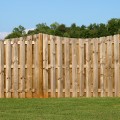
Wood fences are often chosen for their natural beauty and traditional appeal. However, they come with several drawbacks when compared to aluminum:- Durability: Wood is susceptible to rot, pests, and weather damage.
Depending on the type of wood used, a wood fence may last anywhere from 4 to 30 years with proper maintenance. Depending on the type of wood used, a wood fence may last anywhere from 4 to 30 years with proper maintenance.
- Maintenance: Wood requires regular staining or painting to protect it from the elements. This ongoing maintenance can be time-consuming and costly.
- Aesthetics: While wood offers a classic look, it can fade and deteriorate over time, losing its initial charm.
Aluminum vs. Vinyl Fences
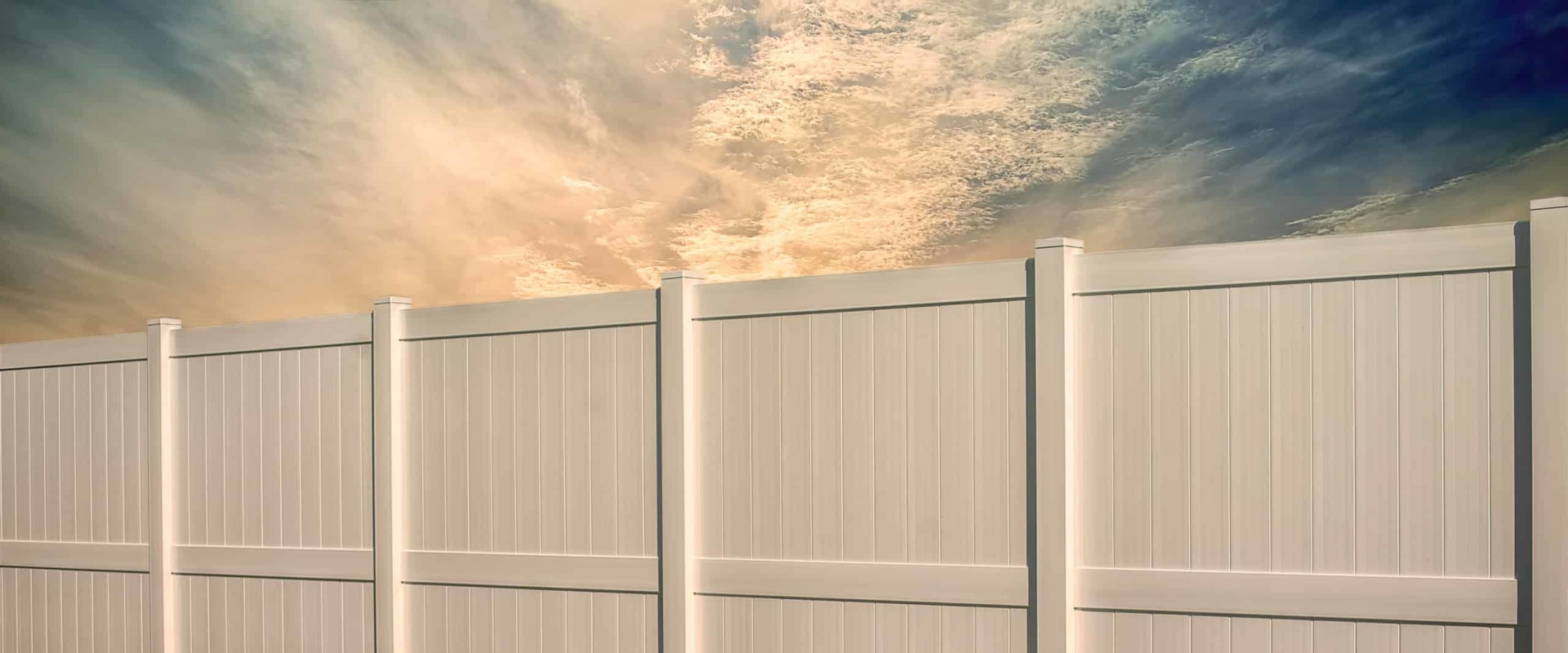
Vinyl fencing has gained popularity due to its low maintenance and durability. However, there are key differences between vinyl and aluminum:- Longevity: Vinyl can last up to 30 years but may become brittle over time due to UV exposure.
Aluminum, on the other hand, is less likely to suffer from such degradation.
- Maintenance: Both materials require little maintenance; however, vinyl can be prone to cracking in extreme temperatures.
- Aesthetics: Vinyl comes in various colors and styles but may lack the sleek appearance of aluminum.
Aluminum vs. Wrought Iron Fences
Wrought iron is often regarded as one of the most durable fencing materials available. However, it does have some downsides compared to aluminum:- Weight: Wrought iron is significantly heavier than aluminum, making installation more challenging and costly.
- Rust Resistance: While wrought iron can last for decades, it is prone to rust if not properly maintained. Aluminum is naturally resistant to rusting.
- Aesthetics: Wrought iron offers a classic elegance that many homeowners appreciate; however, aluminum can also be designed to mimic this look while providing greater durability.
Maintenance Tips for Aluminum Fences
Maintaining an aluminum fence is essential to ensure its longevity and aesthetic appeal.While aluminum is known for its durability and resistance to rust, regular care can help keep it looking pristine and functioning effectively. Here are some practical maintenance tips for homeowners:
Regular Cleaning
One of the simplest yet most effective ways to maintain your aluminum fence is through regular cleaning. Dust, dirt, and debris can accumulate over time, leading to potential discoloration or damage. To clean your fence:- Use a Soft Cloth or Sponge: Gently wipe down the surface with a soft cloth or sponge to avoid scratching the finish.
- Soap and Water Solution: Mix mild soap with warm water and use this solution to scrub the fence.
Avoid harsh chemicals that can damage the finish.
- Rinse Thoroughly: After cleaning, rinse the fence with clean water to remove any soap residue.
Inspect for Damage
Regular inspections are crucial for identifying any potential issues before they escalate. Look for:- Dents or Scratches: Check for any physical damage that may have occurred due to impacts or weather conditions.
- Paint Peeling or Fading: If your aluminum fence is painted, inspect for any areas where the paint may be peeling or fading.
- Loose Fittings: Ensure that all bolts and fittings are secure to maintain structural integrity.
Addressing Rust and Corrosion
Although aluminum is resistant to rust, it can still suffer from corrosion if not properly maintained. If you notice any signs of corrosion:- Remove Corrosion: Use a fine-grit sandpaper or a wire brush to gently remove any corrosion spots.
- Apply Touch-Up Paint: After cleaning, apply a touch-up paint specifically designed for aluminum surfaces to protect against future corrosion.
Avoiding Damage from Vegetation
Plants and shrubs can sometimes encroach on your aluminum fence, leading to potential damage. To prevent this:- Trim Back Vegetation: Regularly trim any plants that grow too close to the fence to avoid scratches and other damage.
- Avoid Climbing Plants: Be cautious with climbing plants that may latch onto the fence, as they can cause wear over time.
Regular care not only enhances the appearance of your property but also extends the lifespan of your fencing investment.
Cost Considerations for Aluminum Fencing
When considering an aluminum fence, understanding the cost implications is crucial for making an informed decision. The initial investment in aluminum fencing can vary significantly based on several factors, but it is essential to weigh this against the long-term benefits it offers.Initial Costs of Aluminum Fencing
The upfront cost of aluminum fencing typically ranges from NZD 80 to NZD 120 per linear meter, depending on the quality and style of the fence. This price includes materials and basic installation. However, several factors can influence these costs:- Quality of Material: Higher-grade aluminum is more durable and resistant to corrosion, which can increase the initial cost but provide better longevity.
- Design Complexity: Custom designs or decorative elements will add to the overall price.
Simple styles are generally more affordable.
- Height and Length: Taller and longer fences require more materials, thus increasing costs.
- Installation Fees: Hiring a professional installer can add to your budget. DIY installation may save money but requires time and skill.
Long-Term Savings
While the initial investment in aluminum fencing may seem high compared to other materials like wood or vinyl, it is important to consider the long-term savings. Aluminum fences are known for their low maintenance requirements:- No Painting or Staining: Unlike wood, aluminum does not require regular painting or staining, saving you both time and money over the years.
- Durability: Aluminum is resistant to rust and corrosion, meaning it can last for decades without significant wear. This longevity reduces the need for replacement or repairs.
- Insurance Benefits: Some insurance companies may offer discounts for properties with durable fencing like aluminum, potentially lowering your overall costs.
When budgeting for your fencing project, consider both the upfront costs and the long-term benefits to make a well-rounded decision.
Real-Life Experiences: Testimonials from Homeowners
Homeowners across New Zealand have shared their experiences with aluminum fencing, highlighting its durability, aesthetic appeal, and low maintenance requirements. Here are some testimonials that reflect the satisfaction and insights of those who have chosen aluminum fences for their properties.Sarah from Auckland:
"We installed an aluminum fence around our backyard last year, and I couldn't be happier with our choice. The fence has held up beautifully against the harsh weather conditions we experience here. It looks as good as new, and I love that it requires minimal upkeep.
A quick wash with the hose is all it needs to stay clean!"
Mark from Wellington:
"After researching various fencing options, we decided on aluminum due to its longevity and modern look. Our fence has not only enhanced our property's curb appeal but has also provided the security we were looking for. We have two dogs, and the fence keeps them safe while allowing us to enjoy our garden without worry. Plus, it’s rust-resistant, which is a huge plus in our coastal area!"
Emily from Christchurch:
"I was initially concerned about the cost of installing an aluminum fence, but it has proven to be a wise investment.
The durability is unmatched; it has withstood strong winds and heavy rain without any signs of wear. I appreciate that it doesn’t warp or fade like wood does. I would recommend aluminum fencing to anyone looking for a long-lasting solution."
James from Hamilton:
"We chose an aluminum fence for our pool area, and it has been fantastic. Not only does it meet safety regulations, but it also looks sleek and modern.
The installation process was straightforward, and the final result exceeded our expectations. We’ve received numerous compliments from friends and family!"
Linda from Tauranga:
"As someone who values aesthetics as much as functionality, I was thrilled with how our aluminum fence turned out. It complements our home beautifully and provides the privacy we wanted without feeling closed off. The variety of styles available made it easy to find something that matched our taste perfectly."These testimonials illustrate that homeowners are not only satisfied with their aluminum fences, but they also appreciate the combination of style, durability, and low maintenance that this material offers.
Whether for security, aesthetics, or longevity, aluminum fencing continues to be a popular choice among New Zealand homeowners.
Frequently Asked Questions about Aluminum Fences
When considering an aluminum fence, potential buyers often have numerous questions and concerns. This section aims to address some of the most frequently asked questions about aluminum fencing, dispelling common myths and providing clarity to help you make an informed decision.What are the benefits of aluminum fencing?
Aluminum fencing offers several advantages:- Durability: Aluminum is resistant to rust and corrosion, making it ideal for various weather conditions.
- Low Maintenance: Unlike wood or wrought iron, aluminum requires minimal upkeep, saving you time and effort.
- Aesthetic Appeal: Available in various styles and colors, aluminum fences can enhance the visual appeal of your property.
- Security: With its sturdy construction, aluminum fencing provides a reliable barrier for pets and children.
How long does an aluminum fence last?
With proper installation and care, an aluminum fence can last for decades. Many manufacturers offer warranties ranging from 20 to 30 years, reflecting the material's longevity. Factors such as environmental conditions and maintenance practices can influence its lifespan.Is aluminum fencing suitable for all climates?
Yes, aluminum fencing is suitable for various climates.Its resistance to rust makes it particularly advantageous in humid or coastal areas where other materials may deteriorate quickly. However, it’s essential to ensure that the fence is properly installed to withstand high winds or heavy snowfall in certain regions.
Are there any myths about aluminum fencing?
Several misconceptions surround aluminum fencing:- Myth 1: Aluminum fences are weak and easily damaged. This is false; while they are lightweight, they are designed to be strong and durable.
- Myth 2: Aluminum fences are only available in one style. In reality, they come in various designs, including ornamental styles that can complement any home.
- Myth 3: Aluminum fences are expensive.
While the initial cost may be higher than some materials, their longevity and low maintenance make them a cost-effective choice over time.
Conclusion: Making the Right Choice for Longevity in Fencing
In summary, selecting the right fencing material is crucial for ensuring longevity and durability. Throughout this article, we have explored various fencing options, each with its unique advantages and disadvantages. Understanding these factors can help you make an informed decision that aligns with your needs and preferences.Aluminum fences
stand out as a particularly appealing choice for those seeking a balance between aesthetics and durability. Their resistance to rust and corrosion makes them ideal for New Zealand's diverse weather conditions, ensuring they maintain their appearance and structural integrity over time.
Additionally, aluminum fences require minimal maintenance compared to wood or vinyl options, which can be prone to warping or fading.When considering longevity, it is essential to evaluate not only the material itself but also the installation process. Proper installation can significantly enhance the lifespan of any fence. Engaging professionals who understand local conditions and best practices can prevent common issues that lead to premature deterioration.Moreover, while wrought iron may offer unmatched durability, its higher cost may not be feasible for every homeowner. In contrast, aluminum provides a cost-effective solution without compromising on quality or longevity.
It is also worth noting that aluminum fences can be customized in various styles and colors, allowing homeowners to achieve the desired aesthetic without sacrificing functionality.Ultimately, the best choice for your fencing needs will depend on several factors, including budget, desired appearance, and specific functional requirements. By weighing these considerations carefully and opting for materials known for their longevity—such as aluminum—you can ensure that your investment stands the test of time.In conclusion, making an informed decision about fencing materials is vital for achieving long-lasting results. Whether you prioritize aesthetics, maintenance requirements, or overall durability, understanding the strengths and weaknesses of each option will empower you to choose wisely.