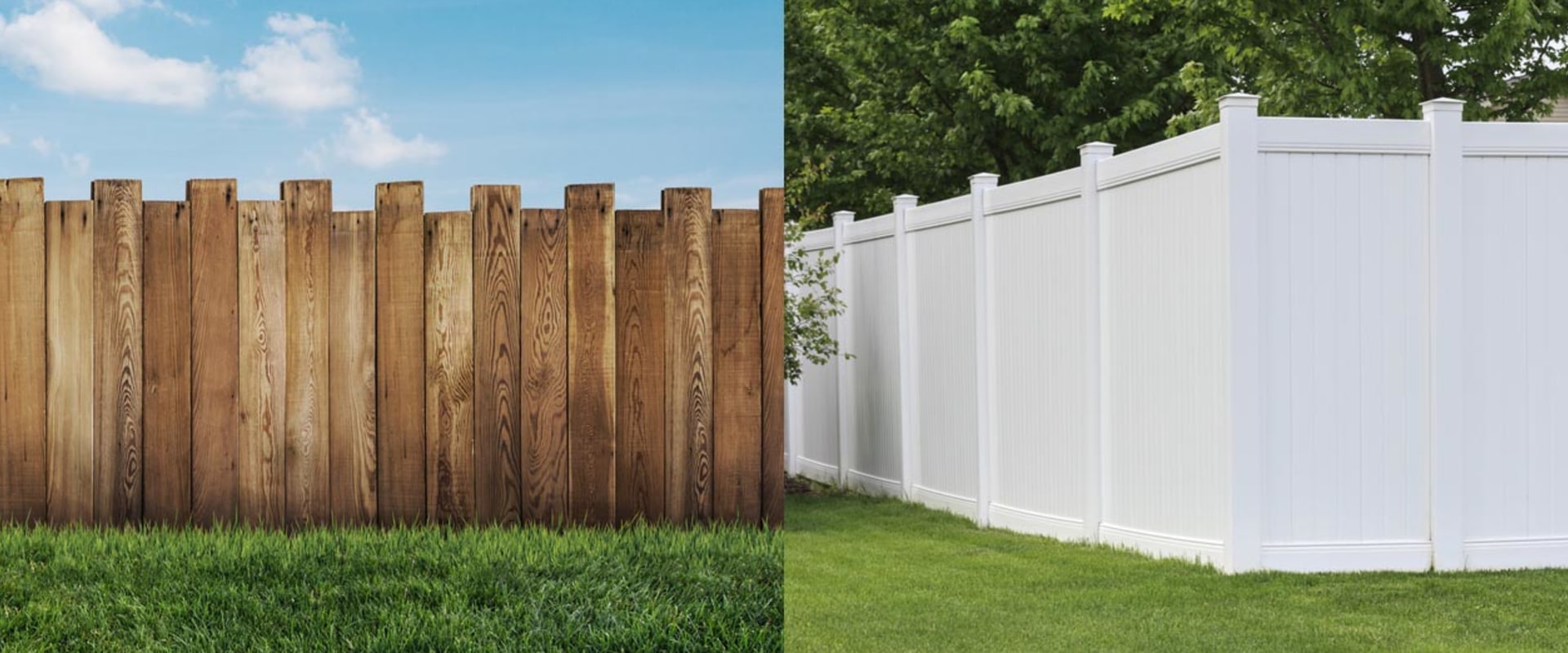
When it comes to enhancing the aesthetics and security of your property, choosing the right fencing material is crucial. Among the most popular options are wood fencing and vinyl fencing, each offering distinct advantages and disadvantages. As homeowners weigh their choices, affordability often emerges as a key consideration. Understanding the cost implications of these materials can help you make an informed decision that aligns with your budget and long-term goals.Wood fencing has long been a traditional choice for many homeowners due to its natural beauty and versatility.
It can be easily customized to fit various styles, from rustic to modern, making it a favourite for those looking to enhance their property's curb appeal. However, while wood may initially seem like the more affordable option, it often requires ongoing maintenance, which can add to its overall cost over time.On the other hand, vinyl fencing has gained traction in recent years as a low-maintenance alternative. Made from durable PVC, vinyl fences are designed to withstand harsh weather conditions without warping or fading. This resilience means that while the upfront costs may be higher than wood, the long-term savings on maintenance and repairs can make vinyl a more economical choice in the long run.
As we delve deeper into this comparison, we will explore not only the initial costs but also factors such as installation expenses, durability, and maintenance requirements that can influence your decision.Ultimately, whether you lean towards wood or vinyl fencing will depend on your specific needs and preferences. By examining these materials closely, you can determine which option provides the best balance of affordability and functionality for your property.
Understanding Wood Fencing
Wood fencing is a popular choice for many homeowners due to its natural beauty and versatility. Understanding the different types of wood used in fencing, along with their associated costs and benefits, can help you make an informed decision for your property.Types of Wood Fencing
There are several types of wood commonly used for fencing, each with its own unique characteristics:- Pine: This is one of the most affordable options available. Pressure-treated pine is resistant to rot and insects, making it a practical choice for many homeowners.
However, it may require regular maintenance, such as staining or sealing, to prolong its lifespan.
- Cedar: Known for its natural resistance to decay and insects, cedar is a more durable option than pine. It has a beautiful appearance and emits a pleasant aroma. Cedar fences can last up to 30 years with proper care, but they tend to be more expensive than pine.
- Redwood: Similar to cedar in terms of durability and aesthetics, redwood is another premium option. It is naturally resistant to warping and splitting, making it an excellent choice for long-lasting fences.
However, redwood can be quite costly compared to other wood types.
- Spruce: Often used for stockade-style fences, spruce is an economical choice. While it is less durable than cedar or redwood, it can be treated to enhance its longevity. Spruce fences typically require more maintenance and may need replacement sooner than other types.
Benefits of Wood Fencing
Wood fencing offers several advantages that make it appealing:- Aesthetic Appeal: Wood provides a warm, natural look that can enhance the overall appearance of your property.
- Customizability: Wood fences can be easily customized in terms of height, style, and finish, allowing homeowners to create a unique look that suits their taste.
- Environmental Impact: Wood is a renewable resource, making it an environmentally friendly option compared to synthetic materials.
Costs Associated with Wood Fencing
The cost of wood fencing can vary significantly based on the type of wood chosen and the size of the project. Generally, here are some factors that influence the overall cost:- Material Costs: The price per linear foot will differ based on the type of wood selected.
For example, pine is typically less expensive than cedar or redwood.
- Installation Costs: Labor costs can vary depending on the complexity of the installation. Simple designs may be more affordable to install than intricate patterns.
- Maintenance Costs: Consider ongoing maintenance expenses such as staining or sealing that may be required over time to keep your fence looking its best.
Exploring Vinyl Fencing
Vinyl fencing has gained significant traction in the fencing market, and for good reason. This material offers a range of benefits that make it an attractive option for homeowners looking to enhance their property’s aesthetics while ensuring durability and low maintenance.Benefits of Vinyl Fencing
- Durability: One of the standout features of vinyl fencing is its remarkable durability.
Made from high-quality PVC, vinyl fences are designed to withstand harsh weather conditions, including heavy rain, strong winds, and intense sunlight. Unlike wood, vinyl does not warp, crack, or splinter, ensuring that your fence remains intact for years.
- Low Maintenance: Vinyl fencing requires minimal upkeep compared to traditional wood fences. There’s no need for painting, staining, or sealing. A simple wash with soap and water is usually sufficient to keep it looking fresh and clean.
- Variety of Styles: Vinyl fencing comes in a wide array of styles and colors, allowing homeowners to choose a design that complements their property.
From classic white picket fences to modern privacy panels, there’s a vinyl option for every taste.
- Cost-Effectiveness: While the initial investment in vinyl fencing may be higher than wood, its longevity and low maintenance costs can lead to savings over time. Homeowners can avoid frequent repairs and replacements associated with wooden fences.
Costs of Vinyl Fencing
The cost of vinyl fencing can vary based on several factors, including the style chosen, the height of the fence, and the complexity of the installation. On average, homeowners can expect to pay between NZD 100 to NZD 150 per linear meter for standard vinyl fencing. Additional costs may arise from installation fees if you choose to hire professionals.
Types of Vinyl Fencing
There are several types of vinyl fencing available on the market:
- Picket Fencing: This classic style is perfect for front yards and gardens, providing a charming look while keeping pets and children safe.
- Privacy Fencing: Ideal for backyards, privacy fences are taller and designed to block visibility from outside, creating a secluded space.
- Ranch Rail Fencing: This type features horizontal rails and is often used in rural settings or for decorative purposes around properties.
- Vinyl Chain Link Fencing: A modern twist on traditional chain link fences, this option offers visibility while maintaining a sleek appearance.
Its durability, low maintenance requirements, variety of styles, and long-term cost-effectiveness position it as a strong contender in the wood versus vinyl debate.
Cost Comparison: Wood vs Vinyl Fencing
When considering the cost of wood fencing versus vinyl fencing , it’s essential to break down the expenses into material costs, installation fees, and long-term financial implications. Understanding these factors can help homeowners make an informed decision that aligns with their budget and needs.Material Costs
The initial material costs for wood fencing are generally lower than those for vinyl. On average, wood fencing can range from NZD 50 to NZD 100 per linear metre, depending on the type of wood selected. Common choices include treated pine, which is more affordable, and hardwoods like cedar or redwood, which are pricier but offer greater durability.In contrast, vinyl fencing typically starts at around NZD 100 per linear metre and can go up to NZD 200 or more for higher-end options.The price difference is primarily due to the manufacturing process and the materials used in vinyl production, which are designed to withstand harsh weather conditions without warping or fading.
Installation Costs Comparison
Installation costs can significantly impact the overall expense of your fencing project. Generally, wooden fences are easier and quicker to install, which can lead to lower labour costs. Homeowners might expect to pay between NZD 30 to NZD 60 per linear metre for installation of wood fencing.On the other hand, installing vinyl fencing can be more complex due to its weight and the need for precise alignment. This complexity often results in higher labour costs, typically ranging from NZD 50 to NZD 100 per linear metre.Therefore, while vinyl may offer a longer lifespan, the upfront installation costs can be a deterrent for some homeowners.
Long-Term Financial Implications
While wood fencing may appear cheaper initially, it often requires ongoing maintenance such as staining or sealing every few years to prolong its lifespan. This maintenance can add up over time, potentially costing homeowners hundreds of dollars throughout the fence's life.Conversely, vinyl fencing is known for its low maintenance requirements. It does not need painting or staining and is resistant to pests and rot. This durability means that while the initial investment is higher, homeowners may save money in the long run due to reduced maintenance costs.In conclusion, when comparing the costs of wood and vinyl fencing, it’s crucial to consider not just the initial outlay but also installation expenses and long-term maintenance needs.Each option has its financial implications that should be weighed carefully against your specific requirements and budget.
Maintenance Requirements for Wood and Vinyl Fencing
When considering the long-term investment of a fence, understanding the maintenance requirements for both wood and vinyl options is crucial. Each material has its own set of needs that can significantly impact both the longevity of the fence and the overall costs associated with its upkeep.Wood Fence Maintenance
Wood fences, while aesthetically pleasing, require regular maintenance to ensure they remain in good condition. Here are some key aspects to consider:- Sealing and Staining: To protect against moisture and UV damage, wood fences should be sealed or stained every 2-3 years. This not only enhances their appearance but also extends their lifespan.
- Inspection for Damage: Regularly inspect your wood fence for signs of rot, insect infestation, or warping.
Addressing these issues promptly can prevent more extensive damage and costly repairs.
- Cleaning: Wood fences can accumulate dirt, mildew, and algae. A thorough cleaning with a pressure washer or a mild detergent solution can help maintain their appearance.
- Repairs: Over time, individual boards may need to be replaced due to wear and tear. Keeping spare boards on hand can make this process easier and more cost-effective.
Vinyl Fence Maintenance
In contrast, vinyl fences are known for their low maintenance requirements. However, they still need some care to keep them looking their best:- Cleaning: Vinyl fences should be cleaned periodically to remove dirt and stains.
A simple mixture of soap and water, along with a soft brush, is usually sufficient.
- Inspection for Damage: While vinyl is resistant to many forms of damage, it’s important to check for cracks or fading. Addressing these issues early can prevent further deterioration.
- No Painting Required: Unlike wood, vinyl does not require painting or staining, which saves time and money in the long run.
Aesthetic Considerations: Choosing Between Wood and Vinyl Fencing
When it comes to selecting a fence, aesthetics are often at the forefront of homeowners' minds.The visual appeal of a fence can significantly influence the overall look of a property, making the choice between wood and vinyl fencing a crucial one. Each material offers distinct characteristics that can enhance or detract from your home's exterior.
Wood Fencing Aesthetics
- Natural Beauty: Wooden fences are renowned for their organic charm. The natural grain and texture of wood can create a warm and inviting atmosphere, blending seamlessly with gardens and landscapes.
- Customisation: Wood is highly versatile, allowing for various styles, heights, and designs. Homeowners can choose from picket fences, privacy fences, or even elaborate designs that reflect personal taste.
- Staining and Painting: One of the significant advantages of wood is the ability to stain or paint it in any colour.
This flexibility enables homeowners to match their fence with their home’s exterior or landscape features.
Vinyl Fencing Aesthetics
- Sleek and Modern Look: Vinyl fencing offers a clean and contemporary appearance. Its smooth surface and uniform colour can provide a polished look that appeals to many homeowners.
- Variety of Styles: While vinyl may not have the same natural feel as wood, it comes in various styles and colours. From traditional white picket fences to modern privacy panels, there are options to suit different architectural styles.
- Consistent Appearance: Unlike wood, which can warp or fade over time, vinyl maintains its colour and shape. This consistency ensures that your fence looks great for years without the need for repainting or staining.
Making the Right Choice
The decision between wood and vinyl fencing ultimately depends on personal preference and the desired aesthetic for your property.
If you value a natural look with the option for customisation, wood may be the ideal choice. However, if you prefer a low-maintenance option that offers a modern appearance, vinyl could be more suitable.In conclusion, both materials have unique aesthetic qualities that can enhance your home’s curb appeal. Consider your style preferences, maintenance capabilities, and how each material complements your property when making your decision.
Environmental Impact of Wood and Vinyl Fencing
When considering fencing options, the environmental impact of materials is a crucial factor for many homeowners. Both wood and vinyl fencing have distinct implications for the environment, and understanding these can help eco-conscious consumers make informed choices.Wood Fencing
Wood is often viewed as a more natural and sustainable option, especially when sourced from responsibly managed forests.
Here are some key points regarding the environmental impact of wood fencing:
- Renewable Resource: Wood is a renewable resource, meaning that it can be replenished over time. Sustainable forestry practices ensure that trees are replanted after harvesting, which helps maintain ecological balance.
- Carbon Sequestration: Trees absorb carbon dioxide from the atmosphere as they grow, making wood fencing a potential carbon sink. This can help mitigate climate change by reducing greenhouse gases.
- Biodegradability: At the end of its life cycle, wood fencing can decompose naturally, returning nutrients to the soil. This contrasts with synthetic materials that may persist in landfills for decades.
The use of pressure-treated wood often involves chemicals that can leach into the soil and water systems, raising concerns about environmental contamination. Homeowners should seek out untreated or sustainably sourced options to minimize this impact.
Vinyl Fencing
Vinyl fencing, made from polyvinyl chloride (PVC), presents a different set of environmental challenges:
- Non-Renewable Resource: Vinyl is derived from petroleum, a non-renewable resource. The extraction and processing of fossil fuels contribute to environmental degradation and pollution.
- Durability vs. Disposal: While vinyl fences are highly durable and require little maintenance, they do not biodegrade like wood.
When vinyl fences reach the end of their lifespan, they can contribute to landfill waste unless recycled properly.
- Toxicity Concerns: The production of PVC can release harmful chemicals into the environment, including dioxins, which are known to have serious health implications for both humans and wildlife.
Frequently Asked Questions about Wood and Vinyl Fencing
When considering a new fence, potential buyers often have numerous questions about the differences between wood and vinyl fencing. Below are some of the most frequently asked questions that can help clarify your doubts and guide your decision-making process.What are the main differences between wood and vinyl fencing?
The primary differences between wood and vinyl fencing lie in their materials, maintenance requirements, and longevity.Wood fences are typically made from various types of timber, which can provide a natural aesthetic but may require regular maintenance such as staining or painting to prevent decay. In contrast, vinyl fences are made from synthetic materials like PVC, which are designed to withstand the elements without fading or rotting, thus requiring minimal upkeep.
How long do wood and vinyl fences last?
Generally, a well-maintained wood fence can last anywhere from 10 to 15 years, depending on the type of wood used and environmental conditions. On the other hand, vinyl fences can last significantly longer—often up to 25 years or more—due to their resistance to weathering and pests.Are there any environmental concerns with these materials?
Yes, both materials have environmental implications. Wood is a renewable resource; however, sourcing practices can impact forests negatively.Opting for sustainably sourced timber can mitigate this issue. Vinyl, while durable, is made from non-renewable resources and is not biodegradable, which raises concerns about its long-term environmental impact.
Which option is more cost-effective in the long run?
While wood fencing may have a lower initial cost compared to vinyl, it often incurs higher maintenance costs over time. Vinyl fencing may be more expensive upfront but typically requires less maintenance and replacement costs, making it a more cost-effective option in the long run.Can I install these fences myself?
Both wood and vinyl fences can be installed by homeowners with some DIY experience. However, wood fences are generally easier to install due to their lighter weight and simpler construction methods.Vinyl fences may require more precise measurements and tools for proper installation.Ultimately, understanding these key differences and considerations will help you make an informed choice that best suits your needs and budget when selecting between wood and vinyl fencing.
Conclusion: Making an Informed Decision on Fencing Options
In conclusion, the choice between wood and vinyl fencing is not merely a matter of initial cost; it encompasses a range of factors that can significantly impact your long-term satisfaction and financial investment. Both materials offer distinct advantages and disadvantages, making it essential to evaluate your specific needs and circumstances before making a decision.Cost Considerations:
As discussed, wooden fences typically present a lower upfront cost compared to vinyl options. However, it is crucial to factor in the potential long-term expenses associated with maintenance and repairs. Wooden fences may require regular upkeep, such as staining or sealing, to maintain their appearance and structural integrity.
In contrast, while vinyl fences may have a higher initial price tag, their durability and low maintenance requirements can lead to savings over time.
Durability and Longevity:
Vinyl fencing is renowned for its resilience against the elements, making it an attractive option for homeowners seeking longevity without the hassle of frequent repairs. On the other hand, wooden fences can provide a classic aesthetic that many homeowners desire but may not last as long without proper care.
Aesthetic Appeal:
The visual appeal of your fence should also play a significant role in your decision-making process. Wooden fences offer a natural look that can enhance the charm of your property, while vinyl fences come in various styles and colors that can complement modern designs. Consider what aligns best with your home’s architecture and your personal taste.
Environmental Impact:
For environmentally conscious homeowners, the sustainability of materials is an important consideration.
While wood is a renewable resource, sourcing practices vary widely. Conversely, vinyl is made from synthetic materials that may not be as eco-friendly.Ultimately, the decision between wood and vinyl fencing should be based on a comprehensive assessment of your budget, aesthetic preferences, maintenance capabilities, and environmental values. By weighing these factors carefully, you can make an informed choice that meets your needs and enhances your property for years to come.